
Plant a pot - enjoy the process and proceeds!
BUYOLOGICAL
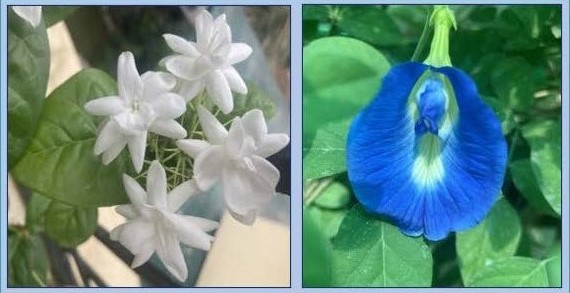
Sometimes we follow our ancient wisdom / traditional knowledge only when it becomes a trend. Sometimes the knowledge was always there in Ayurvedic or other Indian texts or with our elders, but we do not know about it or don’t pay attention towards it.
Plants like Tulsi, Giloy, Aparajita, Neem, Moringa have always been used traditionally in India since ages. I am not going to discuss about the benefits of these, there is already lot of information available. But, when blue tea or butterfly pea flower tea, made from the beautiful blue flowers of Aparajita plant or Moringa powder become a craze, we head to the market to buy these products. Really, is that the best we can think of?
Instead, why don’t we think of simply growing these plants in a pot and use them fresh or dried as the use may be. Some plants are really easy to grow; some may be trees which everyone may not be able to grow due to lack of space, or some plants may not grow in your climate but certainly some useful natives grow easily in many parts of India. The only thing is we need to do is to try. For example, Aparajita plant is a hardy perennial which is very easy to grow and will start yielding flowers in less than an year and would continue to bloom many times during year. Simply, collect few flowers, dry them and keep a small stock handy and use whenever required.
Honestly, I grew the Aparjita plant not for the blue tea but because of the beautiful deep blue-purple flowers, what a vibrant appearance! Blue tea became a craze a little after that or maybe I was not aware of the blue tea at that time. But over the years I have started collecting and drying the flowers. I have tried growing the plant in small, medium, all size of pots and it really grows well even in extreme heat and even produces flowers in summers for months. It produces so many seeds from which new plants germinate easily, once planted you can have multiple plants (growing on their own as seed pods dry and seeds fall out and germinate) which you can share with others. It adds charm to your house / garden / balcony, also gives you beautiful flowers, adds to the greenery. There is absolutely no flip side whatsoever.
Sometime last year, one of my colleagues mentioned someone young in the family had got diabetes and the dietician had suggested blue tea and told me that it is quite expensive. Since I knew about Aparajita plant and its easy care, I recommended why don’t you simply grow the plant and then you will get sufficient flowers and it is an easy plant to grow. I already had collected seeds from my plant out of habbit and I happily shared the seeds so that the colleague could also benefit.
There are many examples, but another plant with beautiful leaves which has been used traditionally, Giloy - is native to India and a perennial, hardy and easy to grow to plant. Being a vine does not require much space still we head to the market to buy giloy powder. Why can’t we try making it at home from the stem. Sometimes things are not very difficult but maybe we are losing the art of trying, making or growing things at home, just try. Or we are just too attuned to the promptness and convenience of purchasing and ordering. Trust me, once you grow the giloy plant it won’t leave your house, leaves may disappear during winters but will bloom again in the spring and you won’t be short of giloy sticks and hence the powder ever.
Similarly, heard jasmine tea of jasmine flowers seems popular, so why not plant a jasmine plant too. And the best part is, the fragrance of fresh jasmine flowers is just amazing, even a couple of flower blooms can make your entire balcony naturally fragrant. Again, a hardy perennial which does not need much care like the other two.
Even before we try, we inadvertently get into the loop of purchasing packaged, preserved stuff from the market. Market bought won’t be fresh, may have preservatives, may not have been grown organically, will be more costly, will add to packaging waste, hence it is definitely less logical than planting it in a pot at home. But the usual conditioning prevents us from just being logical! Before heading to the market, let us try, learn, grow, get our hands dirty, experience and enjoy both the process and the proceed!!
(Both photos above from my potted plants)